Understanding Endoscopic Stapedotomy Outcomes for Conductive Hearing Loss
Hearing loss can feel isolating, but it is often treatable. In my practice at Popular Medical College Hospital, I frequently see patients struggling with conductive hearing loss caused by conditions like otosclerosis. Many are anxious about surgery, wondering if it is truly worth the risk. Today, I want to talk about endoscopic stapedotomy outcomes—a modern, minimally invasive approach to conductive hearing loss treatment that has changed how I help my patients regain their quality of life.
What is Conductive Hearing Loss?
Conductive hearing loss happens when sound waves cannot reach the inner ear. Think of your ear as a complex sound system; if the pathway is blocked or the mechanical parts aren’t moving properly, the volume drops.
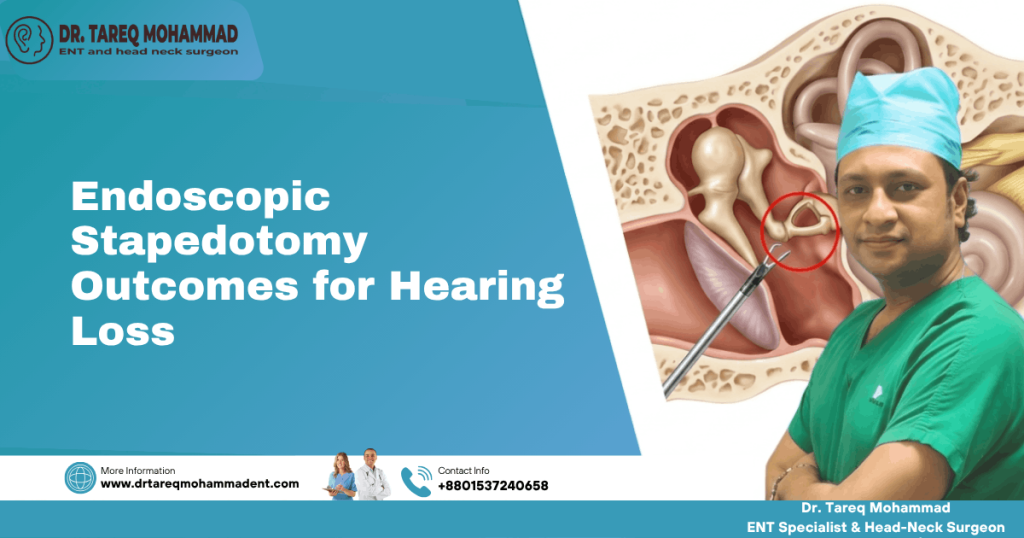
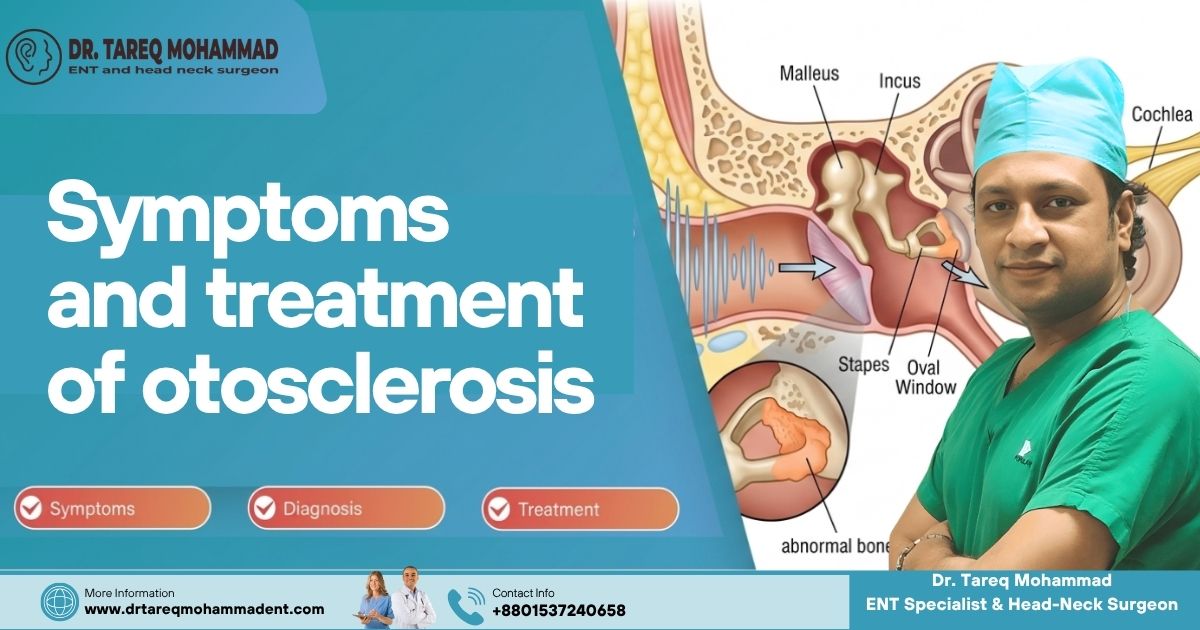
In many cases, this is caused by otosclerosis, a condition where the stapes bone in the middle ear becomes fixed and cannot vibrate. Because it cannot vibrate, it cannot transmit sound. This is where stapes surgery results can be life-changing, as the procedure effectively bypasses this blockage to restore clear hearing.
Why Choose Endoscopic Ear Surgery?
Traditionally, ear surgery required a larger incision behind the ear. However, I have transitioned to performing endoscopic ear surgery whenever possible. By using a thin, high-definition endoscope, I can see the middle ear structures with incredible clarity through the ear canal itself.
The stapedotomy success rate with this technique is exceptional, often matching or exceeding traditional methods, but with significant patient benefits:
✦Less Pain: Because we avoid large external incisions, patients typically report minimal discomfort.
✦Faster Recovery: Most of my patients find that their recovery after stapedotomy surgery is swift, allowing them to return to their daily routines much sooner.
✦No Visible Scarring: Everything is done through the natural opening of the ear canal.
✦Precision: The endoscope provides a wide-angle view, allowing for a more meticulous surgical approach.
What to Expect: Hearing Improvement After Stapedotomy
The primary goal of this hearing restoration surgery is to close the “air-bone gap,” which is the difference between how you hear through air conduction and how your inner ear functions. When I consult with patients in my office, they often ask, “Will I hear perfectly again?”
While outcomes vary based on the severity of the otosclerosis, the vast majority of my patients experience significant hearing improvement after stapedotomy. I have treated patients who have struggled with hearing aids for years, only to find that after this surgery, they can finally engage in conversations without relying on amplification. It is a rewarding moment for both the patient and me.
Recognizing Symptoms of Conductive Deafness
If you are unsure whether you are experiencing this type of hearing loss, look for these common signs:
✦Gradual hearing loss: You notice that sounds seem muffled or “far away.”
✦Tinnitus: A persistent ringing, buzzing, or humming sound in the ear.
✦Better hearing in noise: Surprisingly, some people with this condition feel they hear better in noisy environments than in quiet ones.
✦Dizziness: Occasionally, patients report a sense of imbalance or mild vertigo.
If you recognize these symptoms, it is time to seek professional evaluation. Early intervention is always better than waiting for the condition to progress.
When to See an ENT Specialist
You don’t have to “just live with it.” Many people ignore mild hearing changes until they significantly impact their professional or social life.
I strongly recommend scheduling an appointment if you notice:
✦A sudden change in hearing quality in one or both ears.
✦Difficulty understanding speech, especially in group settings.
✦Persistent discomfort or pressure in the ear canal.
As I often tell my patients, conductive deafness surgery is not just about hearing better; it is about reconnecting with the world around you.
Take the Next Step Toward Better Hearing
You deserve to hear the world clearly. If you are exploring your options for otosclerosis surgery outcomes or are concerned about hearing loss, I am here to help. Let’s determine if this procedure is the right path for your specific needs.
📞 Call: +8801537240658
📧 Email: tareqmohammad2013@gmail.com
📍 Visit: Popular Medical College Hospital, Dhanmondi, House # 25, Road No. 2, Dhaka 1205
🌐 Book Online: Schedule your consultation here
I am committed to providing you with the highest standard of care and restoring your hearing with precision and empathy.
Frequently Asked Questions
- Is endoscopic stapedotomy painful?
Most patients report very little pain after the procedure. Because I use an endoscopic approach that minimizes tissue trauma, the recovery is usually much easier than traditional open-ear surgeries. - How soon will I notice better hearing?
While some patients notice a difference almost immediately after the packing is removed, it is common for the ear to feel “full” for a few weeks while the middle ear heals. Significant hearing improvement is usually confirmed during follow-up testing. - Is there a high risk of hearing loss from the surgery?
While every surgery carries some level of risk, stapedotomy is a well-established and highly successful procedure. I discuss all risks, however minimal, during your personal consultation at my Dhanmondi office to ensure you feel confident and informed.